Global Standards for Pilates Training Facilities, Learning Environments, and Professional Practice Spaces
1. Introduction
The World Pilates Facility Standards establish the global framework for the design, operation, management, and continuous improvement of facilities supporting Pilates education, instructor training, professional development, and participant practice.
These standards are intended to promote safe, professional, accessible, and high-quality environments that support the educational mission of World Pilates and contribute to the long-term development of the global Pilates profession.
The facility environment plays a critical role in the delivery of effective Pilates education and instruction. Well-designed facilities support learning outcomes, instructional quality, participant experience, and professional excellence.
The World Pilates Facility Standards provide internationally adaptable guidance for facilities operating within diverse educational, cultural, and regional contexts while maintaining alignment with global professional expectations.
2. Purpose
The purpose of the World Pilates Facility Standards is to:
- establish principles for high-quality Pilates training environments
- support safe and effective educational delivery
- promote professional facility management
- encourage accessibility and inclusiveness
- support instructional excellence
- strengthen participant experience
- maintain consistency across World Pilates affiliated facilities worldwide
These standards contribute to the development of globally aligned educational and professional environments.
3. Scope
The Facility Standards apply to:
- Pilates training centers
- Pilates academies
- Pilates educational institutions
- instructor training facilities
- continuing education venues
- professional development centers
- workshops and seminar locations
- affiliated World Pilates educational environments
The standards may also serve as guidance for independent Pilates facilities seeking alignment with internationally recognized professional practices.
4. Guiding Principles
The World Pilates Facility Standards are based on the following principles.
4.1 Safety
Facility environments should prioritize participant, instructor, staff, and visitor safety.
Safe facilities contribute to effective learning and positive educational experiences.
4.2 Professionalism
Facilities should reflect the professional nature of Pilates education and instruction.
Professional environments support trust, credibility, and educational excellence.
4.3 Accessibility
Facilities should seek to support broad accessibility and participation.
Accessible environments contribute to inclusiveness and positive community engagement.
4.4 Educational Effectiveness
Facility design and operation should support educational delivery, learning outcomes, and instructional quality.
4.5 Continuous Improvement
Facilities should support ongoing enhancement of educational environments, participant experiences, and operational effectiveness.
5. Facility Environment Standards
Facilities should provide an environment that supports learning, instruction, and professional practice.
Key objectives include:
- cleanliness
- organization
- functionality
- comfort
- professionalism
The learning environment should promote focus, engagement, and positive educational experiences.
6. Space and Layout Standards
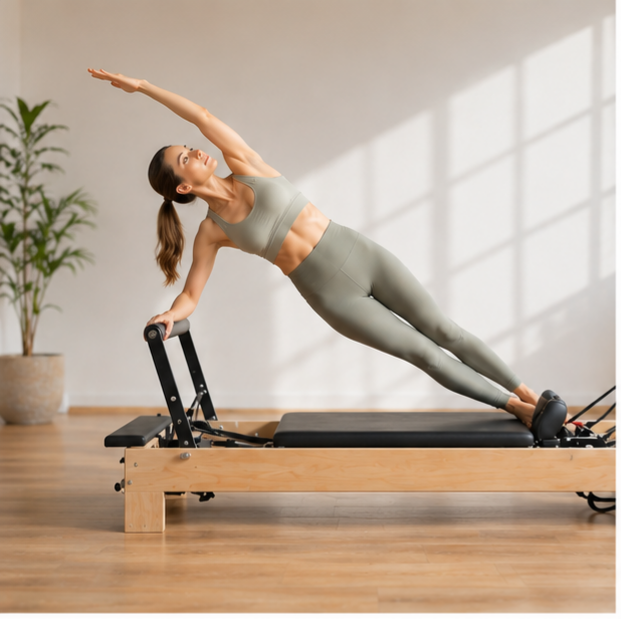
Facility layouts should support safe and effective movement instruction.
Training environments should provide sufficient space for:
- movement activities
- instructional demonstrations
- participant observation
- educational interaction
- equipment usage where applicable
Space planning should support both instructional effectiveness and participant comfort.
7. Training Area Standards
Training areas should be designed to facilitate:
- movement education
- practical instruction
- demonstration activities
- instructor observation
- participant engagement
Training environments should remain organized and conducive to educational delivery.
8. Equipment Environment Standards
Facilities should provide equipment environments that support safe and effective educational experiences.
Equipment areas should encourage:
- proper use
- organization
- accessibility
- maintenance awareness
Equipment should be arranged to support instructional visibility, participant movement, and educational effectiveness.
9. Cleanliness and Facility Maintenance Standards
Facilities should maintain a high standard of cleanliness and presentation.
Maintenance programs should support:
- cleanliness
- functionality
- safety
- professional appearance
Regular review and maintenance contribute to positive participant experiences and long-term operational quality.
10. Learning Environment Standards
The educational environment should support:
- concentration
- communication
- engagement
- instructional effectiveness
Learning spaces should minimize unnecessary distractions and support productive educational experiences.
11. Lighting Standards
Facilities should provide lighting conditions that support:
- instructional visibility
- participant comfort
- educational effectiveness
- professional presentation
Both natural and artificial lighting may be utilized depending on facility design and operational requirements.
12. Ventilation and Environmental Comfort Standards
Facilities should support environmental conditions that contribute to participant well-being and instructional effectiveness.
Considerations may include:
- air quality
- ventilation
- temperature management
- environmental comfort
Comfortable environments support learning, participation, and overall educational quality.
13. Accessibility Standards
World Pilates encourages facilities to support broad accessibility wherever reasonably achievable.
Accessibility considerations may include:
- facility navigation
- participant access
- educational inclusion
- learning environment usability
The objective is to support welcoming and inclusive participation opportunities.
14. Professional Presentation Standards
Facilities representing World Pilates should reflect professional standards through:
- facility appearance
- organization
- cleanliness
- educational presentation
Professional presentation contributes to participant confidence and institutional credibility.
15. Participant Experience Standards
Facilities should seek to provide positive participant experiences throughout all educational activities.
This includes:
- welcoming environments
- clear communication
- professional interaction
- supportive learning conditions
Positive participant experiences contribute to long-term engagement and educational success.
16. Health and Safety Practices
Facilities should establish practices that support:
- safe educational participation
- responsible facility operation
- risk awareness
- emergency preparedness
Health and safety measures should remain appropriate to facility operations and local requirements.
17. Digital Learning Support Environments
Where applicable, facilities may support digital or hybrid educational delivery.
This may include:
- online learning capabilities
- digital educational resources
- virtual instruction support
- educational technology integration
Digital learning systems should complement educational objectives and learning quality.
18. Sustainability and Responsible Operations
World Pilates encourages facilities to adopt responsible operational practices that support long-term sustainability.
Examples may include:
- efficient resource utilization
- responsible facility management
- environmental awareness
- long-term operational planning
Sustainable practices contribute to organizational resilience and community responsibility.
19. Quality Assurance
Facilities should engage in periodic review processes to support:
- educational effectiveness
- operational quality
- participant satisfaction
- professional standards alignment
Continuous evaluation contributes to long-term facility excellence.
20. Relationship to the World Pilates Standards Framework
The Facility Standards operate alongside:
- World Pilates Global Governance Framework
- World Pilates Membership Structure Standards
- World Pilates Ethical & Professional Conduct Standards
- World Pilates Curriculum Framework Standards
- World Pilates Learning Outcome Standards
- World Pilates Teaching Methodology Standards
- World Pilates Continuing Education Standards
- World Pilates Certification Framework Standards
Together, these standards support a unified and internationally connected Pilates ecosystem.
21. International Adaptability
The World Pilates Facility Standards are designed to support implementation across diverse regions, cultures, and educational environments.
Facilities may adapt operational approaches according to local circumstances while maintaining alignment with the overarching principles of:
- safety
- professionalism
- accessibility
- educational quality
- participant-centered learning
22. Continuous Development
World Pilates may periodically review and refine these standards to reflect:
- developments in educational practice
- facility management innovation
- participant needs
- global professional trends
Ongoing refinement ensures continued relevance and effectiveness.
23. Conclusion
The World Pilates Facility Standards provide a comprehensive framework for the development and operation of professional Pilates educational environments.
By promoting safety, professionalism, accessibility, educational effectiveness, and continuous improvement, these standards support the creation of high-quality facilities that contribute to the advancement of Pilates education and professional practice worldwide.
Through globally aligned facility principles, World Pilates supports a connected international community dedicated to excellence in Pilates instruction, learning, and professional development.